Can power strips be connected to the electrical distribution box on a construction site
To safely connect a power strip to a construction site distribution box, use a properly rated industrial extension cord or connector with GFCI protection, ensuring correct grounding and adherence to site safety standards.
Key Steps for Safe Connection
1. Verify the Distribution Box and Power Requirements Ensure the construction site distribution box is rated for the voltage and current of the equipment you plan to connect. Most temporary construction boxes provide 120V or 240V with circuit breakers for protection . Check that the box has sufficient capacity to handle the total load of the power strip and connected devices. 2. Use Industrial-Grade Connectors Do not plug a standard household power strip directly into the distribution box. Use industrial plug sockets or extension cords rated for construction environments (IP67 or NEMA-rated for dust and moisture protection), . These connectors are designed to withstand rough handling, moisture, and dust. 3. Grounding and GFCI Protection Ensure the power strip or extension cord is properly grounded. For added safety, use a GFCI-protected power strip or cord to prevent electric shock, especially in damp or outdoor conditions . Portable GFCIs are available in plug-in, cord-connected, or attachment types suitable for construction sites. 4. Correct Wiring and Load Distribution Check that the power strip's total load does not exceed the circuit breaker rating of the distribution box. Avoid daisy-chaining multiple strips, as this can overload the circuit . Keep cables organized and away from walkways to prevent tripping hazards. 5. Placement and Environmental Considerations Place the power strip in a dry, accessible location and avoid areas with water, mud, or heavy foot traffic . If outdoors, ensure the strip and connectors are weatherproof or protected by a cover. 6. Testing Before Use After connecting, perform a visual inspection and, if possible, use a multimeter to verify voltage and grounding. Ensure all breakers in the distribution box are functional and that the power strip operates correctly before connecting tools or equipment .
Safety Tips
- Never modify plugs or connectors.
- Avoid running cords under heavy objects or through sharp edges.
- Label circuits and power strips for easy identification and maintenance.
- Schedule regular inspections to ensure long-term reliability . By following these steps, you can safely connect a power strip to a construction site distribution box while minimizing the risk of electrical hazards and ensuring compliance with temporary power standards.
 Factory
 electrical
In a attempt to find a solution to the multiple cables running wild in my room, I thought of hiding them into a box, but I am concerned
 Factory
 Misuse of Power Strips, Surge Protectors, and Receptacle Boxes
There we can see that power strips are intended only for indoor use, and never for use on construction sites and similar
 Factory
 Power Strip Safety Tips: Essential Guidelines for Home and Office Use
Power strips are a common solution for extending the reach of electrical outlets, yet they can pose significant risks if
 Factory
 Electrical safety on construction sites
This guidance is aimed at those responsible for planning and subsequent management, and those who control the installation and
 Factory
 Power Strips: Their Uses and Hazards
Power Strips: Uses and Hazards In summary, power strips are lengths of electrical sockets that allow multiple appliances to be
 Factory
 Toolbox Talk: Power Strip Uses & Hazards
A power strip is a block of electrical sockets that attaches to the end of a flexible cable, allowing multiple electrical
 Factory
 Power Strips and Dangerous Daisy Chains
This electrical current overload can result in a fire or can cause a circuit breaker to trip, de-energizing computers and other
 Factory
 Electric power distribution
A 50 kVA pole-mounted distribution transformer Electric power distribution is the final stage in the delivery of electricity. Electricity is
 Factory
 Expert Guide: Select the Right Temporary Power Distribution Box
Conclusion Safe and efficient power management requires reliable temporary power distribution boxes at construction sites, events,
 Factory
 POWER STRIP USES & HAZARDS
Power strips distribute electricity but don''t regulate power flow or protect against surges unless specifically designed to do so. They
 Factory
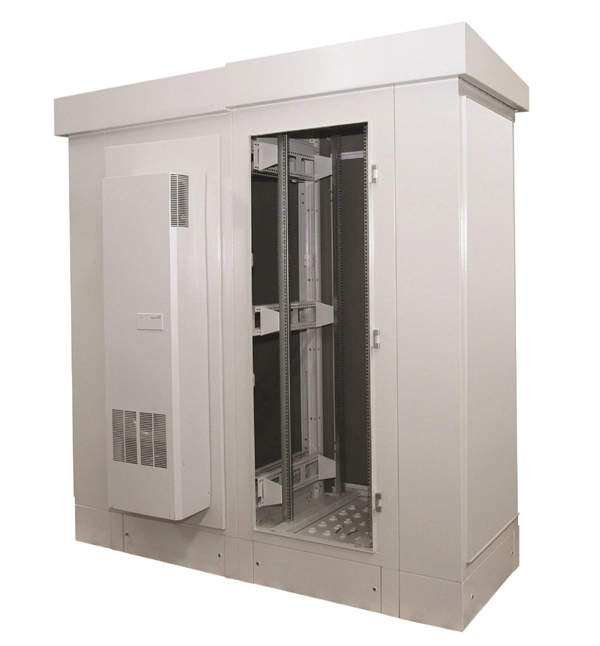
 WALTHER-WERKE: Construction site power distributors
Full range of construction site power distributors The full range comprises connection cabinets, connection distributors, main and
 Factory
 Power distribution unit
A power distribution unit (PDU) is a device fitted with multiple outputs designed to distribute electric power, especially to racks of
 Factory
 Electrical
Electrical hazards are addressed in specific standards for the construction industry. For additional information on general industry