Ensure the distribution box is grounded
Proper grounding of a distribution box involves securely connecting it to a low-resistance earth path using appropriate wires, testing resistance, and maintaining the system regularly.
Key Steps for Grounding a Distribution Box
1. Preparation and Inspection Before grounding, inspect the distribution box for any damage or cracks. Ensure all tools, including grounding wires, grounding rods, voltmeters, and insulating gloves, are in good condition. Verify whether a ground wire is already installed in the box to avoid redundant connections . 2. Selecting the Ground Wire Use the correct wire size according to local standards: in the US, a 10 AWG (5.26 mm²) wire is recommended, while in other markets, a 6 mm² wire is typical. For connections between mounting plates and spindles, larger wires (16 mm² or 6 AWG) may be required to maintain low resistance . 3. Connecting the Ground Wire Attach one end of the ground wire to a metal part of the distribution box, such as a threaded stud or mounting plate. Connect the other end to a grounding rod or the factory central grounding point. Ensure the contact area is clean and free of oxidation to maintain good conductivity . 4. Installing Ground Rods Drive grounding rods into the earth at a suitable location. If the measured ground resistance exceeds 25 ohms, install multiple rods connected with a continuous conductor to reduce resistance. Avoid shortcuts like using substandard rods or chemical treatments that may corrode quickly . 5. Testing Ground Resistance Use a voltmeter or ground resistance tester to measure the resistance between the distribution box and the earth. The total resistance should be below 0.1 ohm for industrial systems or below 25 ohms for general installations. Re-test periodically, as resistance can change due to soil moisture, corrosion, or environmental factors . 6. Maintenance and Inspection Regularly inspect grounding connections for corrosion, loose bolts, or damaged wires. Ensure cable shields and metallic layers are properly grounded to prevent electrical noise and maintain system stability .
Common Mistakes to Avoid
- Connecting to rusty or corroded surfaces, which increases resistance.
- Using undersized or poor-quality wires that cannot handle fault currents.
- Relying on a single grounding rod without testing resistance.
- Ignoring periodic inspections, which can lead to degraded grounding over time . By following these steps, using proper materials, and testing resistance, you can ensure that a distribution box is safely and effectively grounded, protecting both personnel and equipment from electrical faults.
 Factory
 Electrical Grounding (A Complete Guide) | DFLIQ
Master the fundamentals of electrical grounding. Learn how to effectively protect your electrical systems and prevent potential hazards.
 Factory
 eTool : Construction
The term "ground" refers to a conductive body, usually the earth. "Grounding" a tool or electrical system means intentionally creating
 Factory
 How do you ground a plastic electrical box
Overall, grounding a plastic distribution box is a process that requires specialized knowledge and skill. If you are not
 Factory
 Grounding System Installation Standards for Distribution Boxes and
Whether you''re a seasoned pro or just starting out, this comprehensive guide will give you practical insights into proper
 Factory
 When to Ground an Electrical Box: A Complete Guide
If you''re installing or upgrading an electrical box, follow these general steps to ensure it''s properly grounded. Keep in
 Factory
 How To Ground The Distribution Box
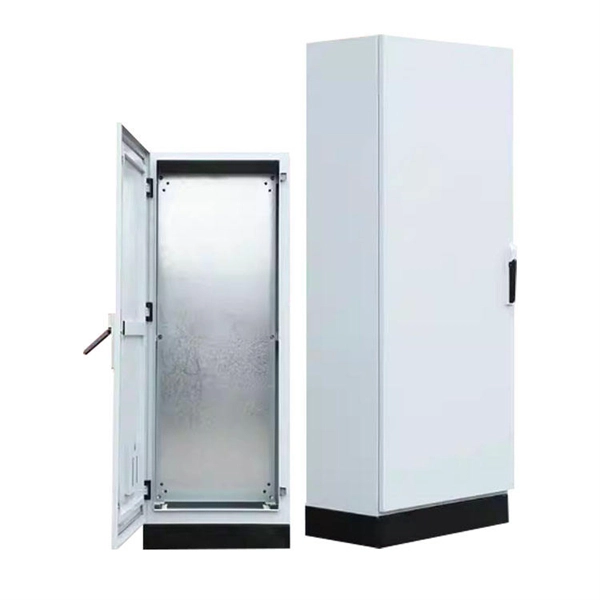
The metal box itself should be processed with a "box grounding bolt" (with PE mark), which must be connected to the grounded PE
 Factory
 Grounding Practices in Power Distribution Systems
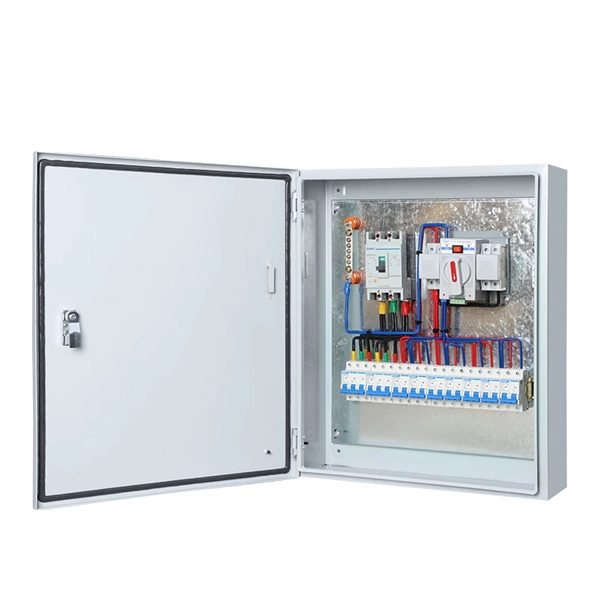
This will ensure that protective devices like circuit breakers and relays will function in the correct manner. This stability is absolutely
 Factory
 Grounding system construction: key points for grounding distribution
Everything looks perfect until the moment of truth arrives. That''s why today we''ll break down the life-or-death details of
 Factory
 How To Check If An Area Is Grounded? | Multimeter Test
Ensuring that an area is grounded involves checking connections, testing outlets, and inspecting grounding systems to ensure they
 Factory
 Electrical grounding and bonding per NEC
The intent of this article is to discuss the requirements of solidly grounded, alternating current electrical systems less
 Factory
 Understanding Grounding of Electrical Systems | NFPA
Grounded or grounding, as defined in the 2020 edition of NFPA 70 ®, National Electrical Code® (NE C®), Article 100,
 Factory
 Equipment Grounding
Main Distribution Board: When it comes to commercial buildings, the main distribution board is grounded through the use of a
 Factory
 Grounding
Equipment rated above 480 volts, or 600 amperes shall be grounded by two independent grounding conductors. The enclosures of