How to wire the high-voltage distribution box for plate heat exchangers
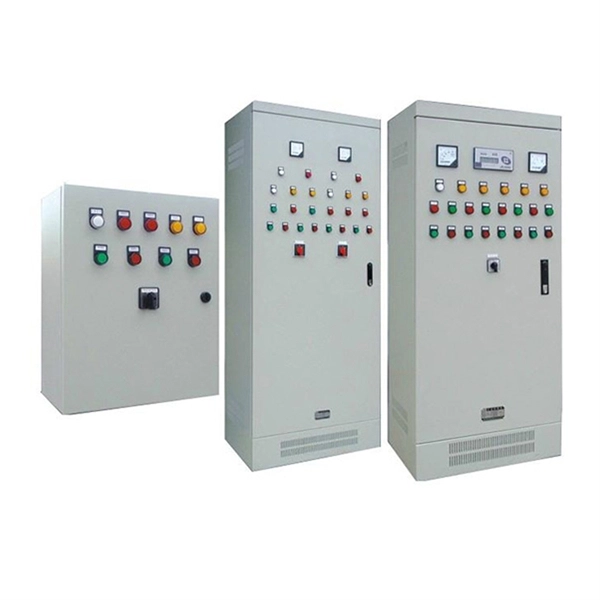
Wiring a high-voltage distribution box for plate heat exchangers requires careful planning, adherence to electrical codes, and proper connection of protective devices, motors, and control circuits.
Key Considerations
1. Safety First Before starting, ensure the power supply is disconnected and locked out. High-voltage systems can be lethal, so only qualified electricians should perform the wiring. Use personal protective equipment (PPE) and follow local electrical safety regulations. 2. Identify Components A typical high-voltage distribution box for a plate heat exchanger system includes:
- Main circuit breaker or fused disconnect
- Motor starters for pumps or agitators
- Overload relays
- Control transformers (if low-voltage control circuits are used)
- Terminal blocks for incoming and outgoing power
- Grounding bus for safety grounding 3. Incoming Power Connection Connect the incoming high-voltage supply (e.g., 400V three-phase or as specified by the heat exchanger manufacturer) to the main circuit breaker. Ensure proper phase sequence and verify voltage ratings match the equipment requirements. 4. Motor and Pump Wiring Plate heat exchangers often use circulation pumps. Each pump motor should be connected through a motor starter with overload protection. Wire the motor starter to the distribution box terminals, ensuring correct phase rotation to avoid reverse pump operation. 5. Control Circuit Wiring If the system includes automated controls (temperature sensors, flow switches, or PLCs), connect the control circuits via a step-down transformer or low-voltage supply. Ensure separation of high-voltage and low-voltage wiring to prevent interference and maintain safety. 6. Grounding and Bonding All metallic parts of the distribution box and connected equipment must be properly grounded. Connect the grounding bus to the facility's main earth ground. This protects personnel and prevents electrical noise affecting control signals. 7. Labeling and Documentation Label all terminals, breakers, and wires clearly. Maintain a wiring diagram for future maintenance and troubleshooting. This is critical for compliance and safety. 8. Testing Before Operation After wiring, perform insulation resistance tests, verify continuity, and check that all protective devices operate correctly. Energize the system gradually and monitor for abnormal currents or voltage drops.
References and Manufacturer Guidelines
While the above steps follow standard electrical practices, always consult the plate heat exchanger manufacturer's installation manual for specific wiring requirements, motor ratings, and recommended protective devices (Alfa Laval manuals provide detailed installation and maintenance guidance for plate heat exchangers) . Manufacturer-specific instructions may include recommended cable sizes, starter types, and control logic for optimal performance. By following these steps, you ensure safe, reliable, and code-compliant wiring of a high-voltage distribution box for plate heat exchangers.
 Factory
 Plate heat exchangers
In heat transfer, getting the most energy-efficient and reliable performance comes down to having the ideal technology for your
 Factory
 Plate Heat Exchanger Installation and Operation Manual
Thermaline plate heat exchangers are designed to be freestanding and can include wall or ceiling mounts. Most models have
 Factory
 Plate heat exchangers
This manual provides information needed to handle and install a plate heat exchanger. This section describes the components of the
 Factory
 PLATE AND FRAME HEAT EXCHANGER INSTALLATION AND
API Schmidt-Bretten plate heat exchangers have been installed world wide providing a wide variety of heat transfer solutions using
 Factory
 PLATE HEAT EXCHANGER KITS
A plate heat exchanger allows flow separation within a hydronic system. This allows two flow circuits to operate with their own flow
 Factory
 Microsoft Word
Plate heat exchanger is universally used in many fields: heating and ventilating, breweries, dairy, food processing, pharmaceuticals
 Factory
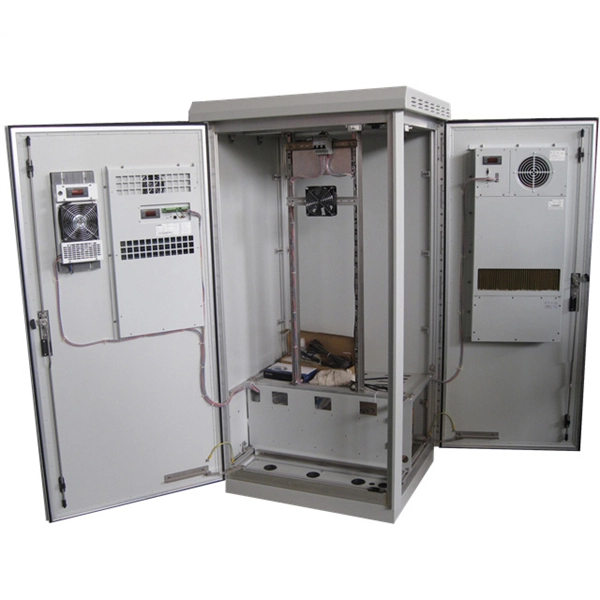
 Distribution board
A distribution board (also known as panelboard, circuit breaker panel, breaker panel, circuit breaker, electric panel, fuse box or DB
 Factory
 INSTRUCTION MANUAL FOR BRAZED PLATE HEAT EXCHANGERS
In two-phase applications, SWEP BPHEs should be mounted vertically, with the arrow on the front plate pointing upwards. Mounting
 Factory
 Plate Heat Exchanger
Plate exchanger is made by stacking several thin metallic plates together to form flow channels, they exchange only heat between
 Factory
 Installation Manual Plate Heat Exchanger
The plate heat exchanger should be used in accordance with the specified configuration of material, media types, temperatures and
 Factory
 Plate heat exchanger
A plate heat exchanger is a type of heat exchanger that uses metal plates to transfer heat between two fluids. This has a major
 Factory
 PLATE AND FRAME HEAT EXCHANGER INSTALLATION AND
The core of the plate heat exchanger is the thin metal corrugated thermal plates that both enhance and conduct heat transfer through
 Factory
 SEC Heat Exchangers PHE-Installation-Manual
The plate has up to four connection holes for fluid transfer, with gaskets fitted to confine the liquids. Gaskets are made from
 Factory
 Plate Heat Exchangers Layout – The Piping Engineering World
Plate exchangers, shown below, are generally used in low-pressure, low temperature applications and are made up of end covers,
 Factory
 Plate Heat Exchanger 1 Installation Manual
Plate Heat Exchanger (hereinafter “PHE”) performs heat exchanging by transferring heat between hot and cold fluids flowing
 Factory
 SEC Heat Exchangers PHE-Commissioning-Manual
The plates are compressed by bolts between the fixed and movable frames, until metal to metal contact is reached and a channel is
 Factory
 Plate Type Heat Exchangers, Single plate & Semi-welded Installation
Please note that a plate heat exchanger is specific designed and built for the operating parameters (pressures, temperatures,
 Factory
 Plate Heat Exchangers
A condition for the continuous proper functioning of your plate type heat exchanger is in strict compliance with the permissible values
 Factory
 Plate Type Heat Exchangers, Single plate and Semi-welded
Introduction This user guide is a guide for installation, commissioning and maintenance of plate type heat exchangers supplied by
 Factory
 Plate Heat Exchanger Operational and Maintenance Manual
When a package of plates are pressed together, the holes at the corners form continuous tunnels or manifolds, leading the media