Network Rack Base Fabrication and Installation
Network rack fabrication and installation involves selecting the right rack type, ensuring proper ventilation, cable management, and structured cabling integration for scalable, secure, and efficient network infrastructure.
Rack Types and Fabrication Considerations
Two-Post Racks: Ideal for lightweight networking equipment such as switches and patch panels. They occupy less floor space and are easier to install, making them suitable for small IT rooms or telecommunications closets ( ). Four-Post Racks: Provide greater stability and support for heavier servers and equipment. They include front and rear mounting rails, adjustable depth, and are preferred in data centers or server rooms where future expansion is anticipated ( ). Open-Frame vs. Enclosed Cabinets: Open-frame racks offer maximum airflow and easy access for maintenance, while enclosed cabinets provide security, dust protection, and controlled airflow. Enclosed racks often include built-in fans or perforated doors to maintain proper ventilation ( ). Fabrication Considerations: Racks should be fabricated with durable materials, precise mounting points, and standardized dimensions to accommodate industry-standard equipment. Custom labeling, cable entry points, and ventilation pathways enhance usability and maintenance efficiency ( ).
Installation Best Practices
Planning and Layout: Arrange servers, switches, patch panels, and other devices logically to optimize airflow, accessibility, and future scalability. Leave extra rack space for future hardware additions ( ). Cooling and Ventilation: Proper airflow prevents overheating and extends equipment lifespan. Open-frame racks or racks with integrated ventilation systems help maintain optimal temperatures ( ). Cable Management: Use structured cabling techniques to avoid tangled wires, facilitate troubleshooting, and maintain a professional appearance. Label all cables and panels for easy identification ( ). Power Distribution: Install intelligent or modular PDUs to ensure reliable power delivery to all devices. Consider redundancy and load balancing for critical systems ( ). Security and Compliance: Enclosed racks with lockable doors protect equipment from unauthorized access. Ensure installations comply with local building codes and industry standards ( ).
Structured Cabling Integration
Structured cabling forms the backbone of network connectivity. Proper integration includes:
- High-speed Ethernet cabling (Cat5e, Cat6, Cat6A) for voice, data, and multimedia systems ( ).
- Fiber optic cabling for high-bandwidth applications, especially in high-rise or data-intensive environments ( ).
- Patch panels and backbone cabling to centralize connections and simplify maintenance ( ).
- Testing, certification, and documentation of all cable runs to ensure reliability and compliance ( ).
Professional Installation Services
For complex environments, professional services can provide:
- Custom-designed cabling layouts tailored to building architecture and business needs ( ).
- Certified technicians for precise rack and panel installation, labeling, and testing ( ).
- Integration of access points, CCTV, alarm systems, and other low-voltage wiring ( ).
Summary
Effective network rack fabrication and installation requires careful selection of rack types, attention to ventilation and cable management, structured cabling integration, and adherence to best practices for scalability, security, and maintenance. Whether using in-house teams or professional services, a well-planned rack setup ensures reliable, efficient, and future-ready network infrastructure.
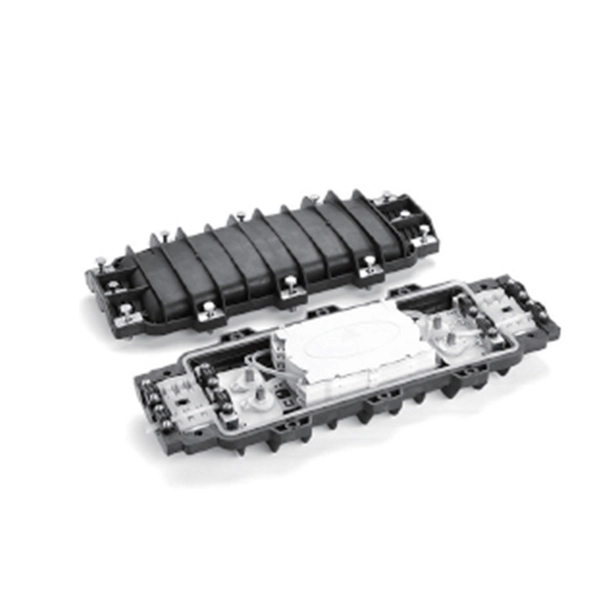 Factory
 Server Racks
Network Server Racks 4Cabling''s range of floor standing and wall mount server racks & cabinets offer unprecedented value for
 Factory
 Network Installation Services | The Network Installers
Network cable installation covers the physical infrastructure that connects every device, server, access point, and phone in a
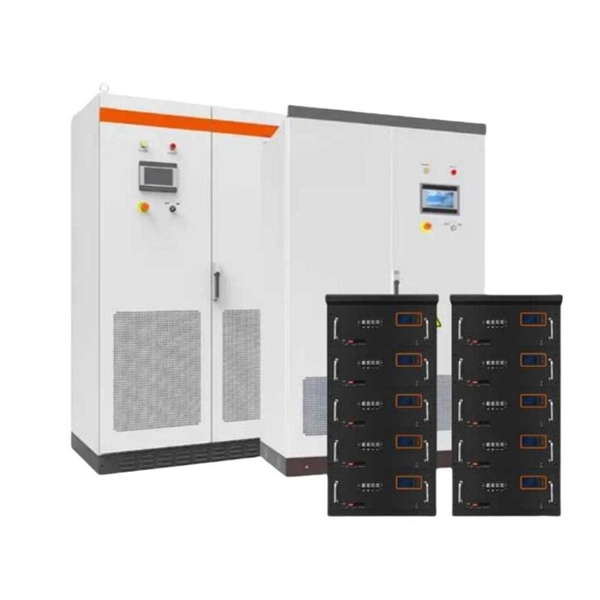 Factory
 Rack Server Integration,Data Server Rack Integration
The faster next-generation network equipment can be built and deployed, the sooner operating companies can start growing
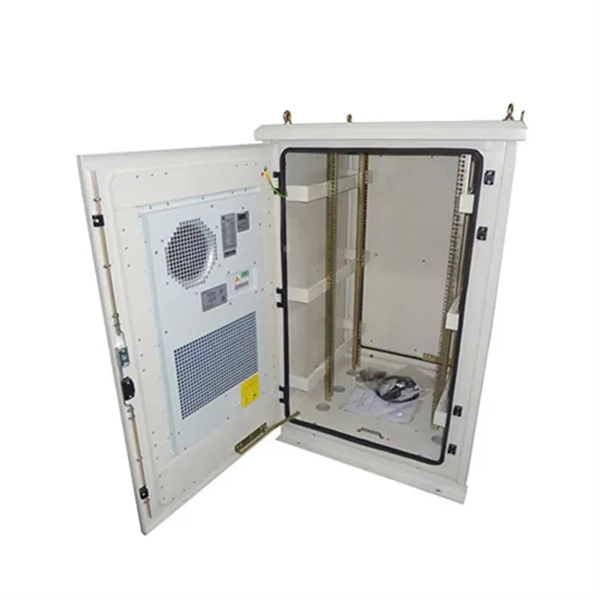 Factory
 Server Rack Assembly Instructions: Video Guide
Understanding the basic components of the rack and the order of their assembly significantly simplifies the installation
 Factory
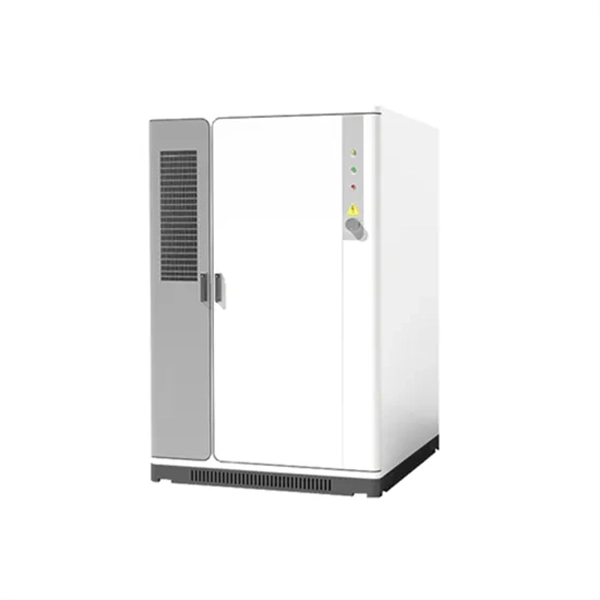
 How to Setup a Server Rack: Tips nd Tricks {Step-by-Step Guide}
When installing a server rack, it''s best to follow the general guidelines. Improperly installed server racks increase the
 Factory
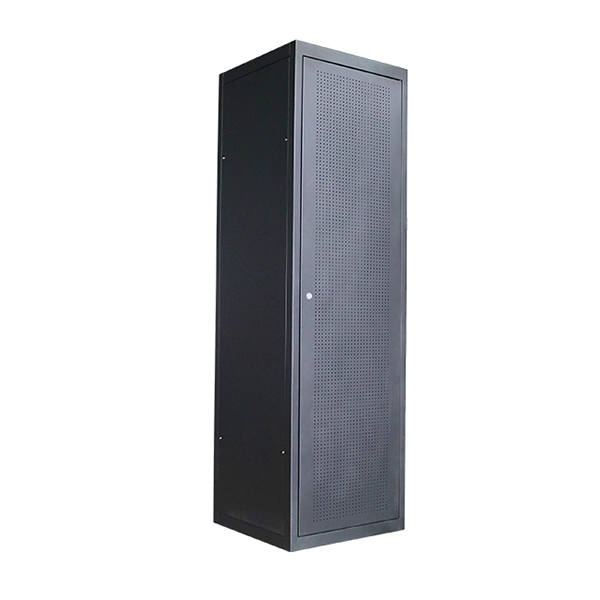
 Rack Fabrication & Builds
AV Experiences & Integration Rack Fabrication & Builds At Alliance Field Solutions, we specialize in custom rack fabrication and
 Factory
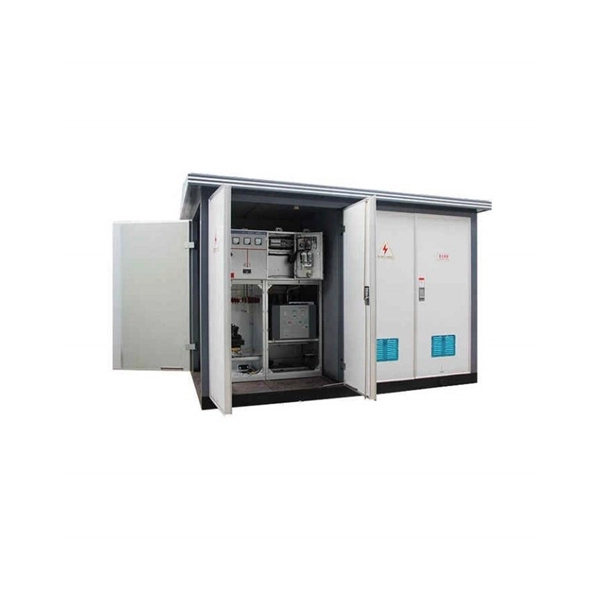
 Server Rack Layout Best Practices — Data Room Equipment Planning
How to plan a server rack installation in your data center? 🔥 Best practices for network cabinet arrangement ⚡️ Learn some Expert
 Factory
 How to Plan a Server Rack Installation: A Beginner''s Guide
Setting up a server rack for the first time might feel a bit intimidating, but don''t worry! This guide will take you through
 Factory
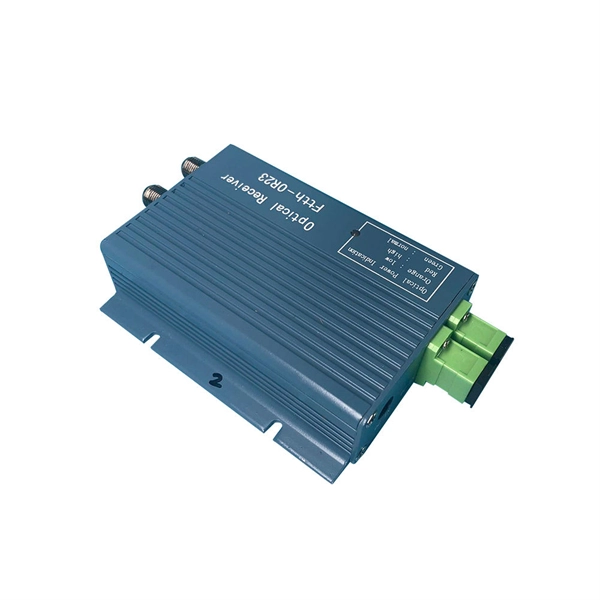
 Network Cabinets and Server Rack Cabinets for OEM Sheet Metal
If you need custom network cabinets or server rack cabinets for switches, routers, patch panels, servers, telecom systems, edge