Cabinet Wiring Method
Cabinet wiring methods involve organized, safe, and efficient routing of electrical wires inside cabinets, whether for residential or industrial applications, using techniques like structured cable management, daisy-chaining, ferrules, and automated wiring systems.
Residential Cabinet Wiring
In kitchen or home cabinets, wiring is often required for under-cabinet lighting, appliance outlets, or accent lighting. Key practices include:
- Low-voltage wiring: LED strips and accent lights typically use 12–24V, which allows thin, flexible wires to be routed discreetly along cabinet edges for a clean appearance and easy maintenance .
- Dedicated outlets: Appliances like microwaves or coffee stations require concealed 120V receptacles inside cabinets to avoid visible cords .
- Junction boxes: All high-voltage splices must be in accessible junction boxes, as mandated by the National Electrical Code (NEC), ensuring safety and future serviceability .
- Wire protection: Wires should be secured and shielded from physical damage, avoiding sharp edges or pinch points inside the cabinet .
Industrial and Control Cabinet Wiring
For industrial control panels or electrical enclosures, wiring methods focus on efficiency, reliability, and maintainability:
- Structured cable management: Using cable glands, wiring harnesses, and modular connectors ensures clean, organized wiring, reduces overheating, and simplifies future expansion .
- Ferrules and wire numbering: Ferrules crimped onto stranded wires prevent fraying, improve conductivity, and allow repeated connections. Clear wire numbering and color coding enhance troubleshooting and compliance with standards .
- Daisy-chaining: Pre-configured multi-point cables allow multiple modules to be connected with a single cable, reducing complexity and installation time while maintaining reliable signal connections .
- Automation: Cabinet wiring robots can cut, strip, crimp, and wire conductors precisely, supporting both screw and spring connections. Automation improves efficiency, reduces manual labor, and ensures consistent quality .
Best Practices Across Applications
- Segregate high- and low-voltage wiring to prevent interference and maintain safety.
- Secure and route wires logically to avoid vibration damage, sharp edges, or heat accumulation.
- Plan for accessibility: Junction boxes, connectors, and critical components should remain reachable for maintenance.
- Use modular and flexible solutions: Harnesses, daisy chains, and pre-assembled connectors simplify future modifications or expansions.
- Test connections: Pull-out tests and visual inspections ensure reliability, especially in automated or industrial setups . By combining these methods, cabinet wiring can be safe, efficient, and scalable, whether for a residential kitchen or a complex industrial control panel. Proper planning, adherence to electrical codes, and modern cable management techniques are essential for long-term reliability and ease of maintenance.
 Factory
 The Ultimate Guide to Wiring: A Step-by-Step Tutorial for Beginners
Get the ultimate guide to wiring with step-by-step instructions, diagrams, and tips. Learn everything from basic electrical concepts to
 Factory
 CONTROL CABINET WIRING
This guide will give you and overview of the most popular RS PRO parts for professional wiring of a control cabinet. Starting from
 Factory
 Wiring diagrams for guitar speaker cabinets
When it comes to wiring guitar speaker cabinets, there are two main methods: series wiring and parallel wiring. Each method has its
 Factory
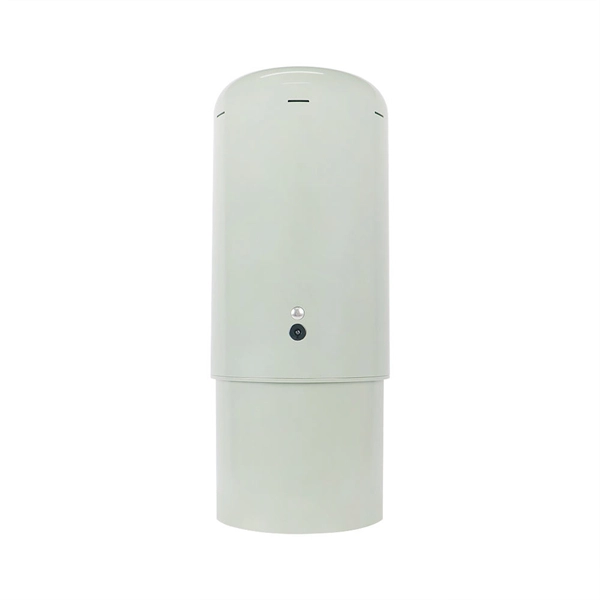
 Control Cabinet – Wiring | WAGO
The most time-consuming step in control cabinet manufacturing is wiring. Using WAGO''s connection technology, you benefit from
 Factory
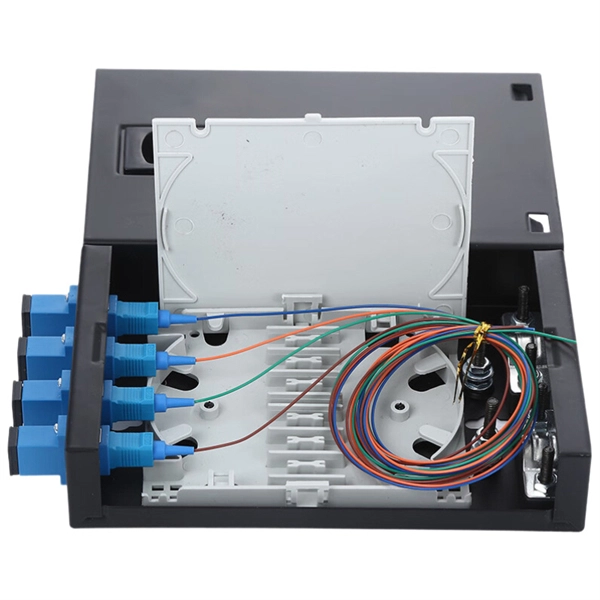
 Cabinet Wiring:Everything you must know
Network Cabinet systems systematically address challenges in computer applications such as high-density heat dissipation, the
 Factory
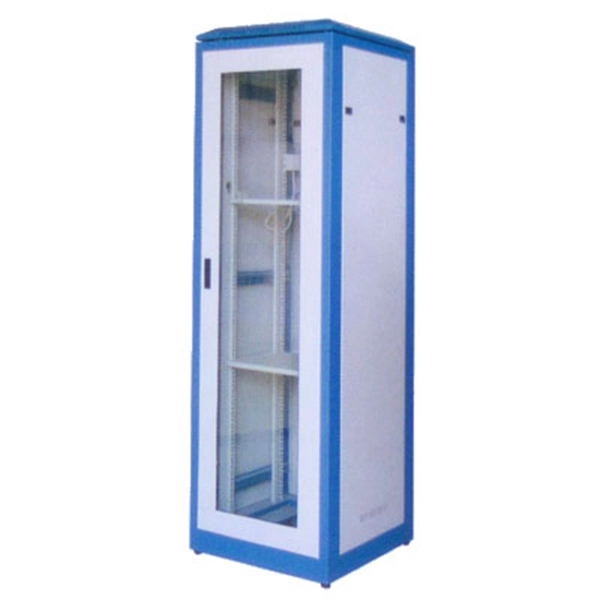
 Principle Cabinet Design EMC and grounding G574e Part 3
Principle Cabinet Design EMC and grounding G574e Part 3 eLearning Welcome to the Principle Cabinet Design training module for
 Factory
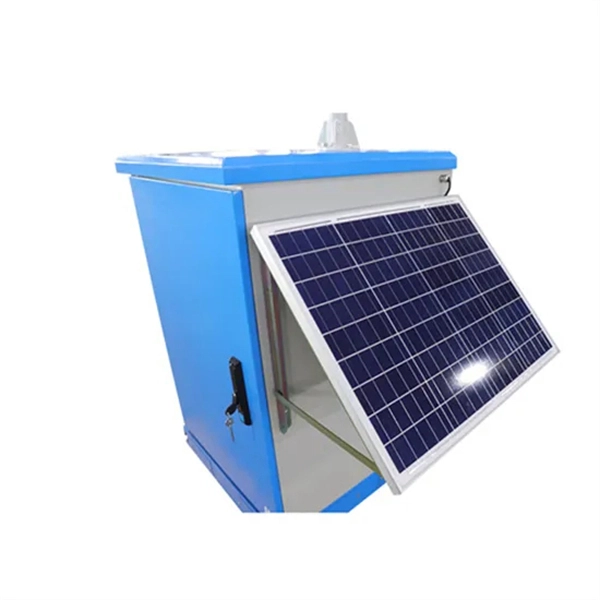
 Control Panel Layout And Wiring Best Practices
The quality of the wiring methods used in an industrial control panel can vary quite widely. This article summarizes what this author
 Factory
 How to Run Electrical Wiring Inside Kitchen Cabinets [Safe & Hidden]
Master the stealth conduit method for running electrical wiring inside kitchen cabinets safely. NEC-compliant tips for hidden,
 Factory
 Industrial Automation Wiring and Grounding Guidelines
Purpose This publication gives you general guidelines for installing an Allen-Bradley industrial automation system that may include
 Factory
 Efficient Wiring Application Method for Control Cabinets
To reduce the complexity of cabling inside the control cabinet, quick and flexible wiring should be possible. Accordingly, the goal is to
6 Frequently Asked Questions about “Cabinet Wiring Method”
What is a PLC Cabinet?
A PLC Cabinet is a secure enclosure that houses a Programmable Logic Controller (PLC) and its accessories, offering protection from environmental a...
What is PLC and PCB?
PLC is an industrial computer used for automation, while PCB is a circuit board that connects electronic components.
What are the different types of PLC boards?
PLC boards vary by application and can be relay output, analog I/O, digital I/O, or communication boards.
What are the 3 types of PLC?
PLCs come in three main types: compact, modular, and rack-mounted, each suited for different industrial needs.
What are the components of a PLC panel?
A PLC panel typically includes a PLC processor, I/O, power supply, and communication modules.
What is a PLC System?
A PLC system is a complete setup for industrial automation, consisting of a PLC, I/O interfaces, and often software for control and monitoring.