Precautions for Level 3 Distribution Boxes
Level 3 distribution boxes, as the final junction point in a three-level power distribution system, require proper installation, leakage protection, load balancing, and environmental safeguards to ensure safe operation.
Key Safety Precautions
1. Proper Installation and Positioning Level 3 distribution boxes should be installed as close as possible to the electrical appliances they serve, whether fixed or movable, to minimize cable length and reduce voltage drop. The boxes must be positioned to ensure three-phase load balance and avoid overloading any single phase. Fixed boxes should be fenced and equipped with rain-proof and anti-smashing measures for outdoor use, while movable boxes should be securely placed to prevent tipping or accidental contact . 2. Leakage Protection Each Level 3 distribution box must have a dedicated leakage protection switch. This is the last line of defense in the three-level system, ensuring that any leakage current from connected appliances is immediately interrupted. The leakage protector should be selected according to the environment: for wet locations, the rated leakage current should not exceed 15 mA, with a response time under 0.1 seconds . 3. Dedicated Switches and Circuit Separation Every electrical appliance connected to a Level 3 box should have its own dedicated switch. The principle of "one machine, one switch, one leakage, one box, one lock" must be followed, preventing a single switch from controlling multiple devices. Power and lighting circuits should be separated, even if housed in the same box, to reduce the risk of overload and simplify troubleshooting . 4. Load and Equipment Marking All switches and circuit breakers inside the Level 3 box should be clearly labeled with their purpose, and the box itself should be numbered according to the site's distribution plan. This ensures quick identification during maintenance or emergency shutdowns . 5. Environmental and Thermal Considerations Level 3 boxes, especially outdoors, must be protected from direct sunlight, rain, and dust. Excessive heat can accelerate insulation aging and increase contact resistance, potentially causing overheating or fire. Adequate ventilation or heat-resistant materials should be used to maintain safe operating temperatures . 6. Compliance with Standards The box should be made of steel plate (1.2–2.0 mm) or flame-retardant insulation material, and all installed switches must provide short-circuit and overload protection with ratings appropriate to the connected load .
Summary
Level 3 distribution boxes are critical for the safe delivery of electricity to individual appliances. Ensuring proper installation, dedicated leakage protection, clear labeling, load balancing, and environmental safeguards is essential to prevent electrical hazards, equipment damage, and operational failures on construction sites or temporary power setups .
 Factory
 Precautions for distribution box
(1) The power distribution system for construction shall be equipped with general distribution box, distribution box and switch box,
 Factory
 SELECT YOUR DISTRIBUTIONSYSTEM
The forms of separation defined by IEC 61439-2 standard are the barriers to be put in place in distribution assemblies to ensure
 Factory
 Precautions for Distribution Boxes
Power to unused distribution boxes should be disconnected and the doors locked. Fixed distribution boxes should be fenced off and
 Factory
 Precautions for distribution box
The power distribution box should be cut off and the door of the box should be locked. The fixed distribution box should be fenced
 Factory
 Essential Rules for 3-Level Electrical Distribution
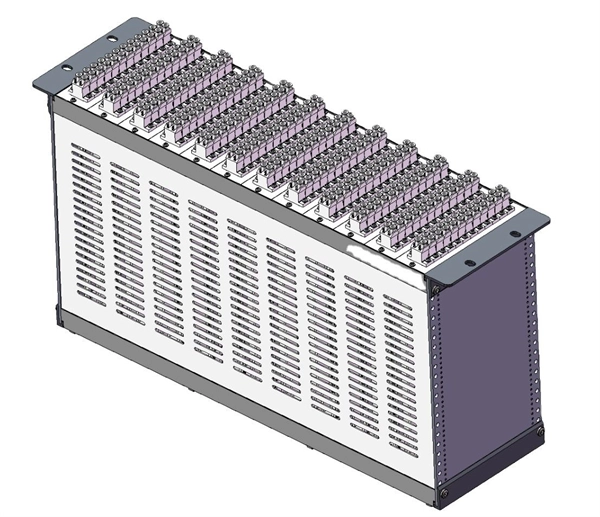
Follow key principles: no cross-level wiring, one machine-one switch, ≤30m box spacing, dry/ventilated installation for safe distribution.
 Factory
 Installation Standards and Safety Precautions for Distribution Boxes
1. Switch box shall be distributed by the final sub-distribution box. 2. The power distribution box and switch box must be rainproof and
 Factory
 Size determination, installation method and wiring mode of distribution
The distribution box is the central hub of the home circuit and the general control of our daily power consumption. It is an
 Factory
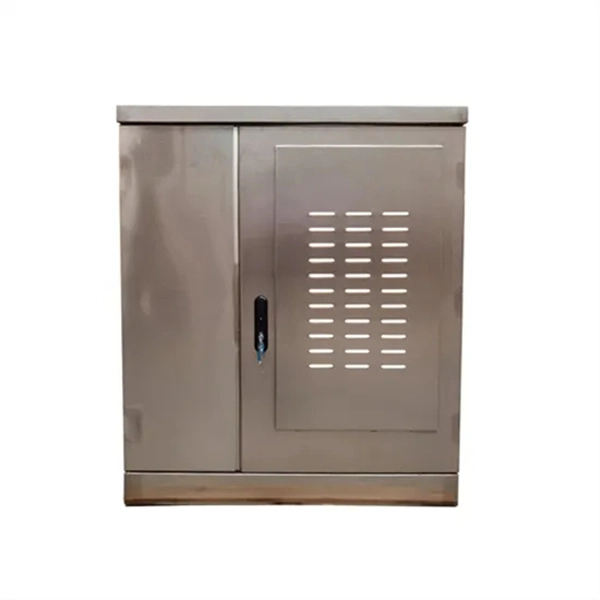
 The installation requirements for the distribution box
Learn how to install a distribution box safely and correctly. Covers wiring, placement, standards, and expert tips for a
 Factory
 Cleaning of LV Distribution Boards, Pillars and Transformer take off
More modern types of LV distribution board, pillar and cabinet are less hazardous, because the live metallic parts are much better
 Factory
 1910.269
Power generation, transmission, and distribution installations, including related equipment for the purpose of communication or
 Factory
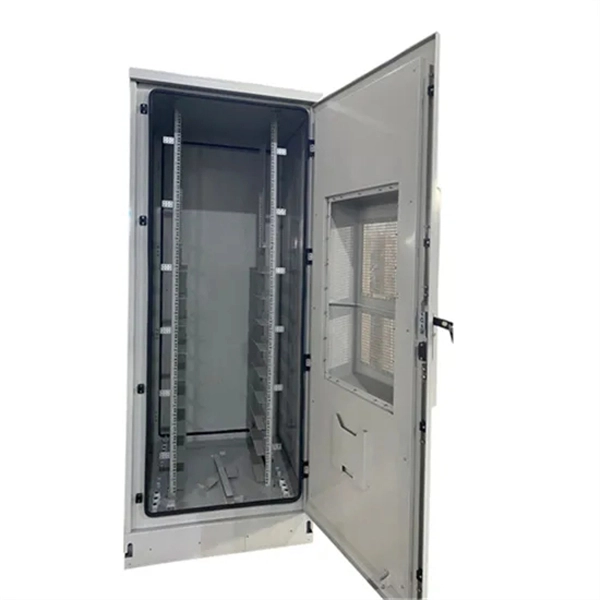
 Distribution Box: Types and Functions | Axis-Electricals
A distribution box ensures that electrical supply is distributed in the building, also known as a distribution board, panel board, breaker
 Factory
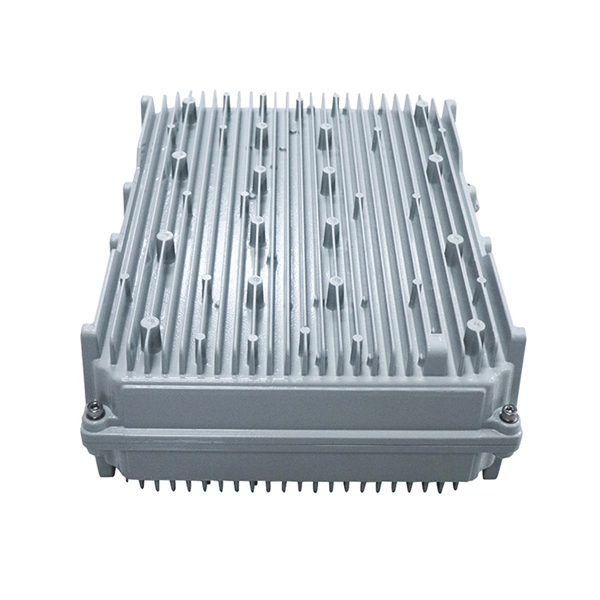
 Three Phase Distribution Box Functions and Applications Explained
A three phase distribution box safely distributes and protects power for large equipment in factories, buildings, and high-demand
 Factory
 Problems and Precautions in the Operation of Distribution Boxes
Outdoor low-voltage distribution boxes: essential equipment facing operational challenges like overheating & lightning damage.
 Factory
 IEC / BS 7671 Codes for Consumer Unit and Distribution Board
Proper earthing (grounding) is required to protect users and equipment from electric shock. Panels must be equipped with protective
Factory Electrical Installation Risk Assessment | PDF | Personal
This risk assessment document summarizes the hazards, existing controls, additional controls needed, and residual risk levels