Fiber optic cable brought to home
Fiber to the Home (FTTH) delivers high-speed internet directly to your residence using fiber optic cables, providing faster, more reliable connectivity than traditional copper lines.
Overview of FTTH
Fiber to the Home (FTTH) involves running fiber optic cables from an Internet Service Provider's (ISP) central office directly into a home, bypassing slower copper connections. Unlike DSL or cable, FTTH offers higher bandwidth, symmetrical upload and download speeds, low latency, and minimal signal loss . This makes it ideal for streaming, gaming, video conferencing, and smart home applications.
The Path from ISP to Home
- Central Office (CO): The process begins at the ISP's central office or network operations center, where high-capacity fiber lines connect to the broader internet .
- Distribution Network: Fiber travels through underground conduits or along utility poles to neighborhood access points, such as handholes, pedestals, or Fiber Distribution Hubs (FDHs) .
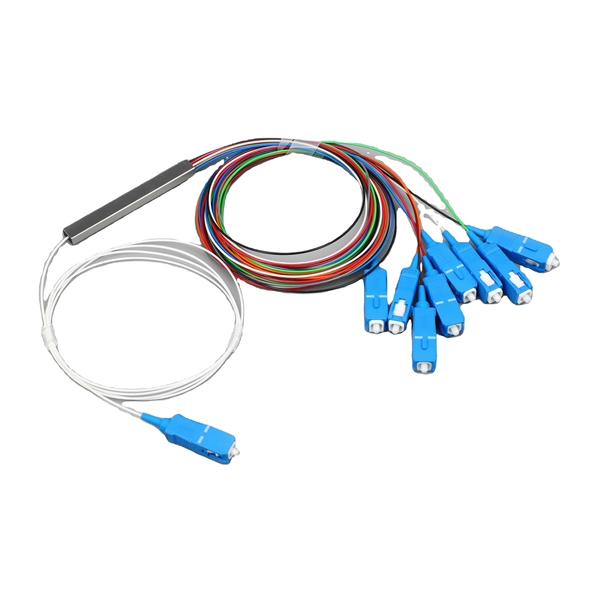
- Splitters: At these access points, splitters divide the main fiber line to serve multiple homes efficiently .
- Fiber Drop Line: A dedicated fiber line, either aerial or underground, runs from the access point directly to your house .
Installation Methods
- Underground Installation: Fiber is pulled through a protective conduit laid in a trench or via directional boring to minimize surface disruption .
- Aerial Installation: Fiber is attached to existing utility poles and connected to the home using a service drop cable. This method is faster and less expensive but more exposed to weather .
- Existing Conduit Reuse: In some cases, ISPs can use pre-existing conduits from telephone or cable networks to reduce cost and installation time .
Inside the Home
Once the fiber reaches your home, a technician installs an Optical Network Terminal (ONT), which converts the light signals from the fiber into digital data your router can use . From the ONT, the connection is distributed to your home network, often through structured wiring to multiple rooms if pre-wired with fiber .
Benefits of Fiber in the Home
- High Speed and Bandwidth: Supports streaming, gaming, and multiple devices simultaneously .
- Low Latency: Ideal for real-time applications like video calls and online gaming .
- Reliability: Immune to electromagnetic interference, weather, and temperature changes .
- Longevity: Fiber cables can last up to 50 years, outperforming copper cables which degrade over time . FTTH is considered a future-proof solution, enabling homeowners to enjoy ultra-fast, reliable internet and multimedia services for years to come .
 Factory
 How does fiber optics work?
An easy-to-understand introduction to fiber optics (fibre optics), the different kinds of fiber optic cables, and how light
 Factory
 How Fiber Optics Work
Fiber-optic lines have revolutionized phone calls, cable TV and the internet. It''s a really cool technology that enables the long
 Factory
 How does fibre optic broadband get to my house?
In recent years, explosive demand for high-speed internet has led to fibre-optic broadband. But how exactly does fibre optic
 Factory
 What Do I Need to Install Fiber-Optic Internet in My House?
Here''s your guide on getting ready to install fiber-optic internet in your home, and why getting it done professionally by
 Factory
 How is fiber optic cable installed inside a house?
Fiber optic cable is typically installed inside a house by following a few steps. First, a technician will assess the house to determine
 Factory
 How does fiber internet connected to your house?
Is fiber optic internet service new to your home? Here is an easy-to-understand guide on how this high-speed connection is