Cable junction box connection
Proper junction box wiring involves selecting the right box, preparing cables, making secure connections, grounding, and ensuring code compliance for safety and reliability.
Selecting the Right Junction Box
Choose a junction box based on the environment and wiring method. For indoor, dry locations, plastic boxes are common, while metal boxes are preferred for ceiling-mounted fixtures, heavy loads, or metal conduit systems ( ). Ensure the box is large enough to accommodate all conductors, splices, connectors, and internal fittings. Overstuffing a box can create fire hazards, so calculate the box fill according to the National Electrical Code (NEC) guidelines ( ).
Preparing the Cables
Cut cables to the required length and strip the outer insulation to expose the inner conductors. Leave enough length to comfortably insert wires into terminals or connectors. Neatly bend wires to allow organized placement inside the box ( ).
Making Secure Connections
Use the junction box's terminal blocks, wire nuts, or push-in terminals to connect conductors. Start with the ground wire, followed by neutral and live wires. Ensure all connections are tight and fully seated to prevent loose contacts, which can cause arcing or overheating ( ). For multiple circuits, maintain separation and avoid crossing wires unnecessarily.
Grounding and Safety
Metal boxes must be grounded, either through a dedicated grounding conductor or by bonding the box to the system ground. Plastic boxes generally do not require grounding but ensure all conductors are properly insulated ( ). Always follow local electrical codes and NEC requirements for grounding and conductor sizing.
Final Checks and Installation
Inspect all connections for tightness and proper insulation. Perform continuity testing if necessary. Securely mount the junction box to the wall, ceiling, or designated support using appropriate fasteners. Ensure cable entries are protected with clamps or grommets to maintain insulation integrity and prevent strain on wires ( ). Close the box with an accessible cover to allow future inspection or maintenance.
Key Tips
- Avoid overfilling the box; calculate box fill using conductor size and number of wires ( ).
- Use the correct type of box for the environment (IP-rated for damp or outdoor areas) ( ).
- Keep wiring organized to simplify troubleshooting and maintenance ( ).
- Always follow NEC or local electrical codes for safety and compliance ( ). By following these steps, you ensure a safe, reliable, and code-compliant junction box installation that minimizes the risk of electrical hazards and facilitates future maintenance.
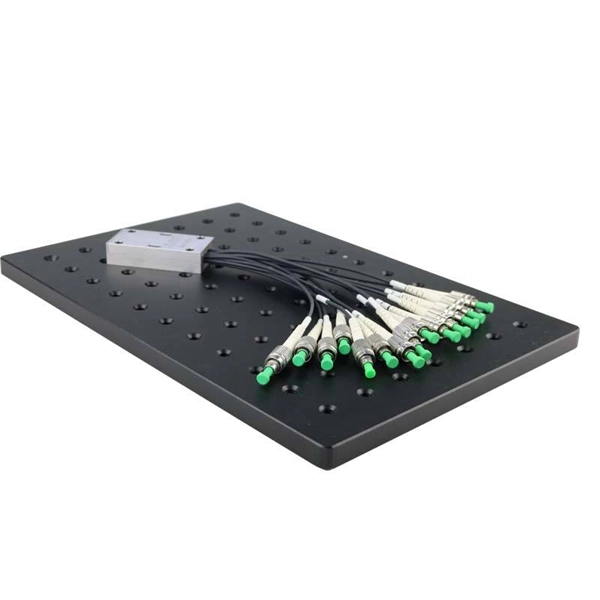 Factory
 DK Cable Junction Boxes Technical Details Standards
Hensel cable junction boxes and cable entry systems comply with the following standards and requirements: Cable junction boxes
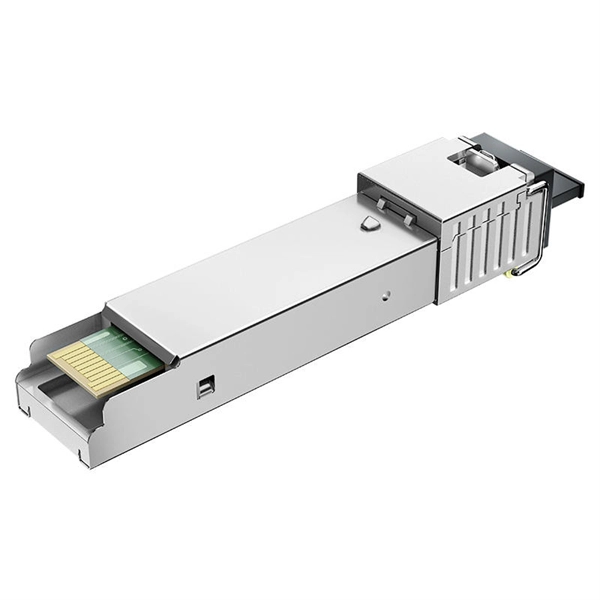 Factory
 SELECTION GUIDE FOR CABLE JUNCTION BOXES
+ All terminals have at least two clamping units per pole, enabling the connection of different conductor cross-sections and
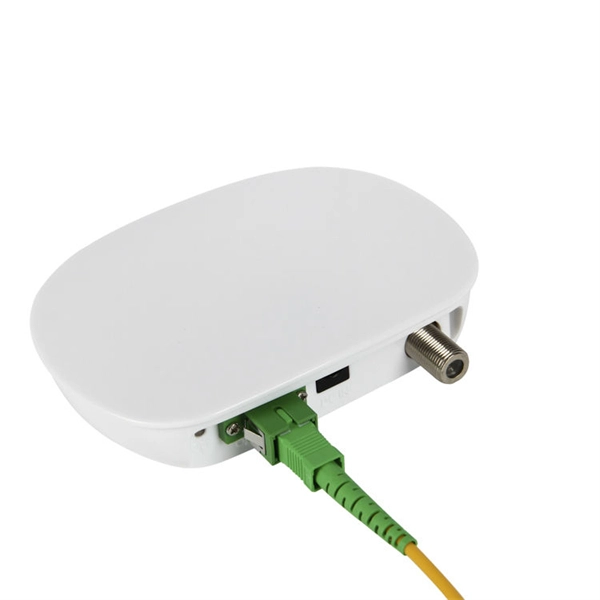 Factory
 Mounting and installation information for junction boxes
Introduction Junction boxes are used to connect cables and can be mounted in all kinds of areas. With regard to the ambient
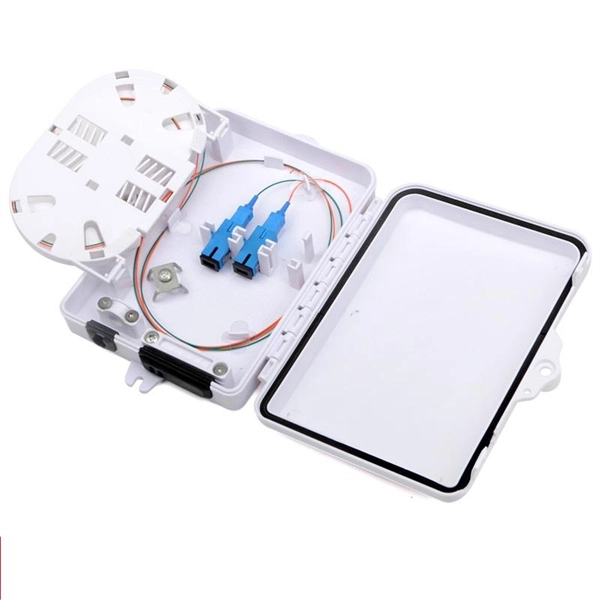 Factory
 Junction Boxes
Using Junction Boxes When using junction boxes to extend ring mains or radial circuits, remember that the regulations limit the
 Factory
 Junction box
Functions of the junction box A small metal, plastic or fiberglass junction box may form part of an electrical conduit or thermoplastic
 Factory
 Demystifying Junction Box Wiring: Everything You Need to Know
Learn about junction box electrical wiring, including how to install and troubleshoot wiring connections in junction boxes for electrical
 Factory
 A Step-by-Step Guide to Creating a Junction Box Wiring Diagram
Learn how to read and understand a wiring diagram for a junction box. Find out how to properly connect and troubleshoot electrical
 Factory
 How to Install an Electrical Junction Box
If your house has visible wiring splices or if you need to add a new splice to extend a circuit, follow these simple steps
 Factory
 What is an Electrical Junction Box and What Does it Do?
An electrical junction box is a container used to connect and house electrical wires and cables. It allows multiple cables